
How to Choose Affordable nonslip tiles for Outdoor Steps
Whereas when it comes to the exterior part, it becomes imperative to select the right kind of tiles because exterior steps meet moisture, dirt, and constantly changing weather conditions. Choosing the right material will not only ensure safety but also improve the overall appearance of the exterior space.
An effective outdoor design should always balance functionality with visual appeal so that the area remains comfortable and safe for family members and guests. Outdoor surfaces must also withstand regular wear and tear without losing their strength or appearance.
Selecting the correct texture and finish can help reduce maintenance issues in the future. Proper tile installation is equally important because it provides stability and long-term performance. This guide covers the essential factors that help you choose the best option according to your style preferences and budget.
Reasons Why Non-Slip Tiles Must Be Used on Outdoor Steps
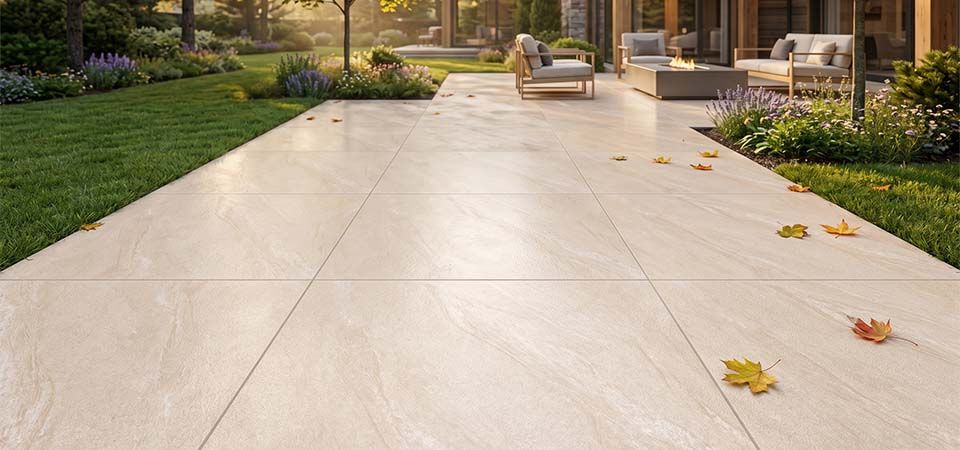
Outdoor steps are regularly exposed to rainwater, dust, algae, and moisture, which can make surfaces dangerous and slippery. For this reason, nonslip tiles for floors are specifically designed with textured surfaces that provide additional grip and improve walking safety.
Slip Resistance in Tile Floors: Important Aspects
1. R-Rating Scale
The R-rating scale measures how resistant a tile surface is to slip in wet conditions. Ratings usually range from R9 to R13, with higher ratings offering stronger slip resistance. For outdoor staircases, selecting tiles with at least an R11 rating is considered a safer option.
2. Coefficient of Friction (COF)
The coefficient of friction indicates how much traction a tile can provide underfoot. Tiles with a higher COF value generally offer better grip and reduce the risk of slipping. Outdoor areas should ideally use tiles with a COF value of 0.42 or above.
3. Surface Finish
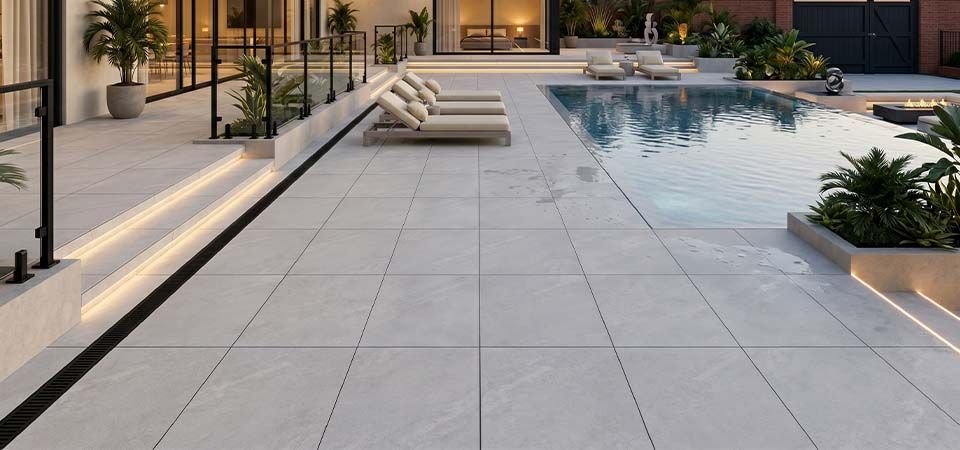
Tile texture plays a major role in preventing slips. Matte, structured, and textured finishes usually provide better grip compared to polished or glossy surfaces. These finishes also help disperse moisture more effectively, making them suitable for outdoor environments. For instance, options like Smoke Grey Porcelain provide an excellent neutral base with a reliable, slip-resistant surface.
Types of Tiles Suitable for Outdoor Steps
1. Porcelain Tiles
Porcelain is one of the most reliable choices for exterior staircases because it is highly durable, moisture-resistant, and easy to maintain. Many textured porcelain surfaces are designed specifically for outdoor safety. If you prefer a subtle, multi-toned look, Quartz Grey Porcelain offers great visual depth while delivering a clean, classic aesthetic perfect for contemporary homes.
2. Natural Stone Inspired Tiles
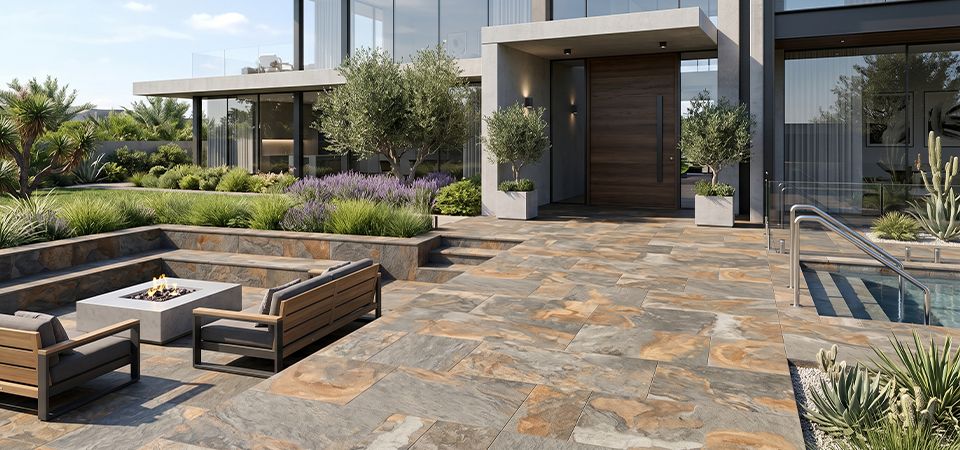
Stone-inspired surfaces provide a timeless appearance while offering excellent grip. They are ideal for homeowners who prefer natural textures and earthy tones in outdoor spaces. Opting for Slate Imperio Porcelain brings a deep, dramatic character to garden steps.
3. Limestone and Sandstone Effect Porcelain
These options recreate the genuine appearance of natural flags while remaining affordable and weather resistant. Their textured surfaces improve traction, making them ideal for exposed garden steps. For example, Dijon Limestone Grey Porcelain offers the soft, muted charm of classic French stone.
4. Structured Surface Tiles
Structured materials are manufactured specifically to maximize slip resistance and durability. They are practical, budget-friendly, and highly suited for high-traffic patio steps. Choosing a finish like Hammer Stone Grey Porcelain ensures a rugged texture that performs exceptionally well underfoot, even during heavy rainfall.
Features That Non-Slip Tiles Should Possess
1. Durability
Outdoor flooring materials must tolerate continuous exposure to pressure, changing weather, and regular foot traffic. Rugged surfaces minimize issues such as cracking, chipping, and surface deterioration, helping the staircase maintain its performance for many years.
2. Water Resistance
Exterior steps should always provide strong defence against moisture. Materials that absorb minimal water generally remain stronger and experience less long-term structural damage from rainfall and winter frost. Utilizing dense engineered materials like Kandla Grey Porcelain perfectly captures the popular split-faced texture of traditional paving while rejecting water penetration.
3. Resistance to Sunlight
Constant exposure to daylight can gradually affect the appearance of outdoor areas. UV-resistant surfaces help preserve the original tone and finish, ensuring the staircase continues to look attractive over time without fading. Even beautifully mixed tones, such as Raj Green Porcelain which mimics traditional flags with its blend of soft greens and browns, will keep their depth without sun damage.
4. Thickness
Thicker tiles for the floor generally provide greater strength and stability. Options like County Gris Porcelain are built to handle heavy pressure and help create safer, more rigid stair surfaces.
5. Easy Maintenance
Low-maintenance options are far easier to keep clean. Routine sweeping and occasional washing with mild detergent are usually enough to remove dirt and prevent moss buildup. Harsh chemicals and abrasive cleaning tools should be avoided to protect the top finish.
Budget-Friendly Tips for Choosing Non-Slip Tiles
Select Manufactured Options Over Natural Stone: Vitrified surfaces often deliver the same visual appeal as raw stone while remaining more affordable and easier to seal. They also offer superior resistance to moisture and harsh winter weather.
Choose Standard Formats: Common, off-the-shelf dimensions are usually less expensive than customized layouts because they are easier to manufacture. They are also more readily available in local stock.
Purchase in Bulk: Ordering your materials all at once often helps reduce the overall cost because many suppliers offer trade discounts on larger volumes.
Avoid Glossy Finishes: Highly polished surfaces may appear attractive indoors, but they can become incredibly dangerous when wet. Matte and textured finishes are safer and more practical for exposed steps.
Consider Installation Costs: Complex cuts and patterns can significantly influence the total project budget. Simpler layouts are generally faster and more affordable for contractors to install.
Outdoor Step Design Ideas
Modern Minimalist Style
Clean-toned steps work extremely well in contemporary architectural designs. Neutral shades create a sleek, seamless look that complements glass balustrades and minimalist rendering.
Rustic Outdoor Theme
Earthy, split-effect textures such as copper slate Porcelain create a warm look that blends beautifully with mature gardens, traditional brickwork, and countryside cottages.
Contemporary Grey Appearance
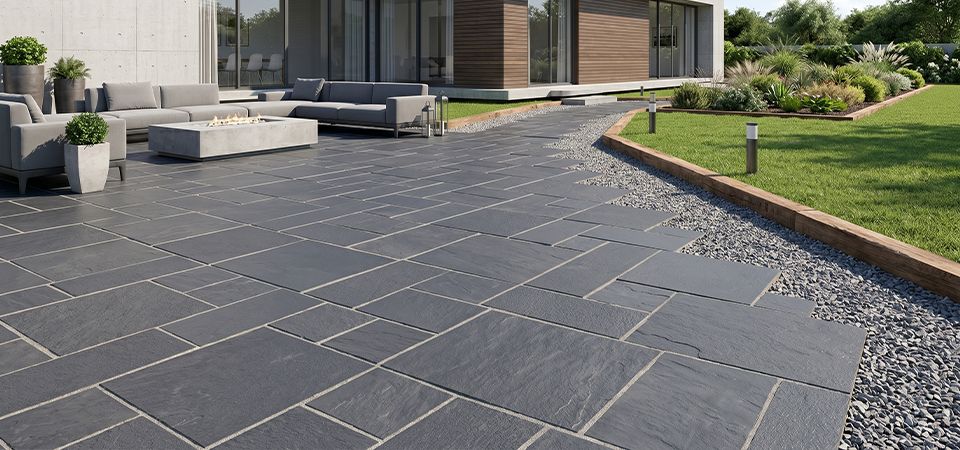
Sleek, smoky tones are highly versatile and pair easily with different exterior paint colours, creating a sophisticated backdrop for outdoor lighting and seating areas.
Traditional Stone Effect
Limestone-style finishes offer a historic charm while improving safety through engineered, non-slip surfaces. They are ideal for creating a timeless, elegant entry to any home.
Common Mistakes That Should Be Avoided
1. Choosing Glossy Tiles
Glossy tiles become slippery when exposed to water, Residential or commercial staircases require safer textured and matte surfaces.
2. Ignoring Slip Resistance Ratings
Many people overlook safety ratings while selecting tiles. Always check the slip resistance rating before making a purchase decision.
3. Poor Installation
Even high-quality tiles may fail if installed incorrectly. Uneven installation can create safety hazards and reduce durability.
4. Lack of Maintenance
Dirt, algae, and debris can reduce tile grip over time. Regular cleaning helps preserve the effectiveness and appearance of outdoor flooring.
Indoor vs Outdoor Slip-Resistant Tiles
Although nonslip bathroom floor tiles are suitable for indoor wet spaces, they may not perform effectively in outdoor environments. Outdoor tiles are generally thicker, stronger, and specifically designed to resist weather exposure and temperature changes.
Tips to Maintain Slip Resistance
To maintain the effectiveness of your outdoor flooring, regular cleaning is essential. Dirt, algae, and moisture buildup can reduce grip levels over time. Avoid applying wax or highly polished coatings, as they may decrease traction.
Why Porcelain Tiles Are a Cost-Effective Choice
Porcelain surfaces are widely preferred because they combine durability, affordability, and weather resistance. They can handle moisture, heavy use, and harsh outdoor conditions while remaining visually appealing for years.
Conclusion
Selecting the right outdoor flooring requires careful consideration of safety, durability, appearance, and budget. With a wide variety of textures, finishes, and stone-inspired designs available, homeowners can easily create stylish and secure outdoor staircases using nonslip floor tiles that remain practical for long-term use.
Frequently Asked Questions
1.What are some good options for exterior tiles to use on steps?
Tiles made from porcelain and texture ceramics would be a good option since they are both resistant to water and strong. Another suitable option would include granite, which is natural stone.
2. What is the most affordable material for non-slip outdoor tiles in the UK market?
It is worth noting that concrete tiles are known to be the most affordable type of material for non-slip outdoor tiles in the UK market. These types of tiles are the perfect combination of longevity and safety without costing too much, hence the perfect choice for UK homeowners on a tight budget.
3. What tile size do I need for my outdoor steps?
Tiles of 20mm thick porcelain 900x450mm or 600x600mm are recommended, depending on the size of your steps.
4. Are there cheap outdoor tiles that offer slip resistance?
Yes, there are a variety of non-slip outdoor tiles available at cheaper rates; these tiles come with an R11 rating.